
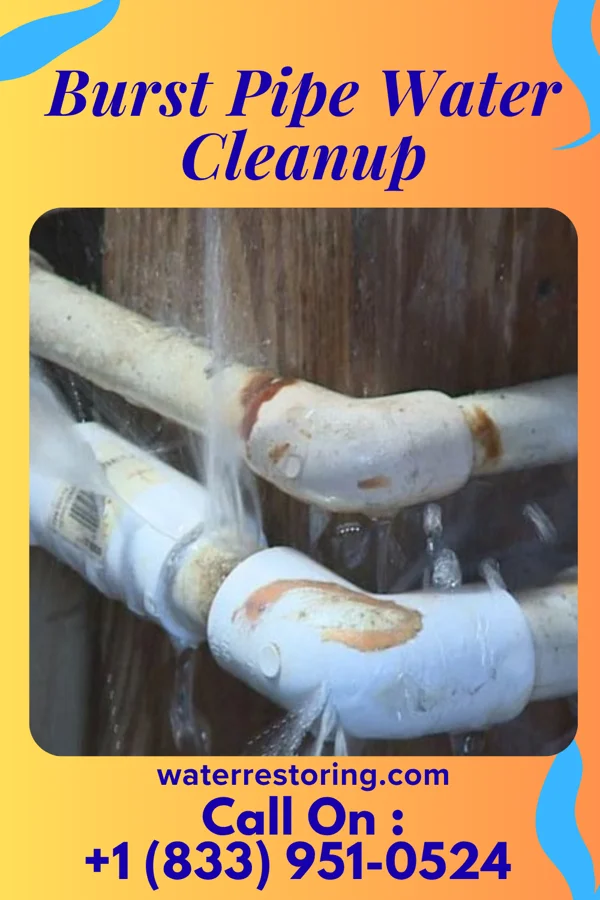
Shipshewana Pipe Burst Risk Drivers
Water damage in Shipshewana tends to cluster in predictable windows because of the local climate. Shipshewana, Indiana, experiences a mix of older infrastructure and seasonal temperature fluctuations, which can lead to pipe bursts during extreme cold or sudden temperature changes. The rural setting and proximity to Middlebury and Lagrange mean that some homes may have outdated plumbing systems that are more prone to failure. A close second is The town's population of around 721 and its rural character mean that many homes are not regularly inspected or upgraded, increasing the risk of pipe bursts. Additionally, the presence of nearby towns like Howe and Lagrange can lead to increased water pressure in local distribution systems during peak usage times..
The climate in Shipshewana, Indiana, is characterized by cold winters and warm summers, which can stress plumbing systems over time. These conditions, combined with the town's rural infrastructure, create a unique set of challenges for pipe integrity and water damage prevention.
The climate in Shipshewana, Indiana, is characterized by cold winters and warm summers, which can stress plumbing systems over time. These conditions, combined with the town's rural infrastructure, create a unique set of challenges for pipe integrity and water damage prevention. The dominant local driver is Shipshewana, Indiana, experiences a mix of older infrastructure and seasonal temperature fluctuations, which can lead to pipe bursts during extreme cold or sudden temperature changes. The rural setting and proximity to Middlebury and Lagrange mean that some homes may have outdated plumbing systems that are more prone to failure., with The town's population of around 721 and its rural character mean that many homes are not regularly inspected or upgraded, increasing the risk of pipe bursts. Additionally, the presence of nearby towns like Howe and Lagrange can lead to increased water pressure in local distribution systems during peak usage times. showing up as the next most common cause. Damage builds in stages. Spread. Absorption. Microbial growth. Structural compromise. Every stage you pass through adds to the final bill.